

Mission of the fourth phase of the AQUIMAR project
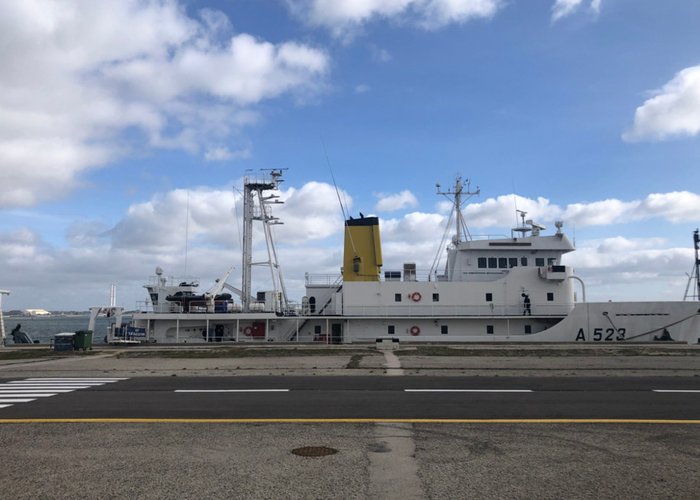
The NRP Admiral Gago Coutinho is from 24 February until 22 March, carrying out the mission of the fourth phase of the AQUIMAR project, which aims to identify the best places for the practice of aquaculture along the coast of mainland Portugal.
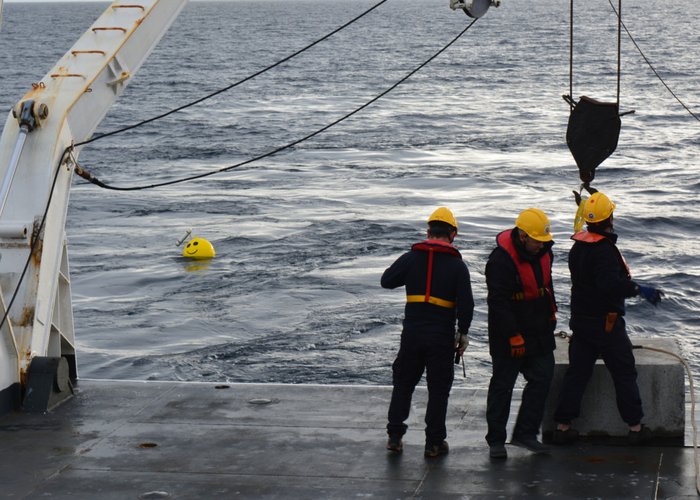
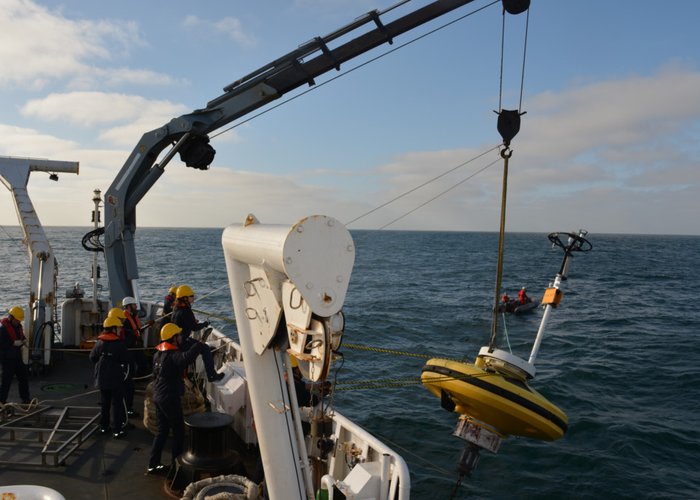
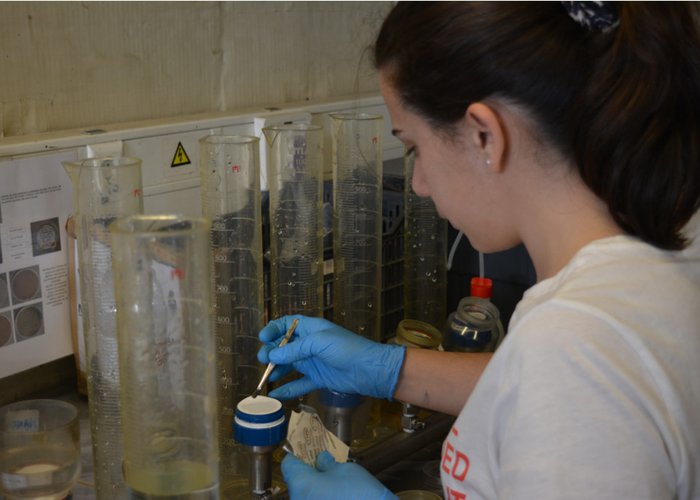
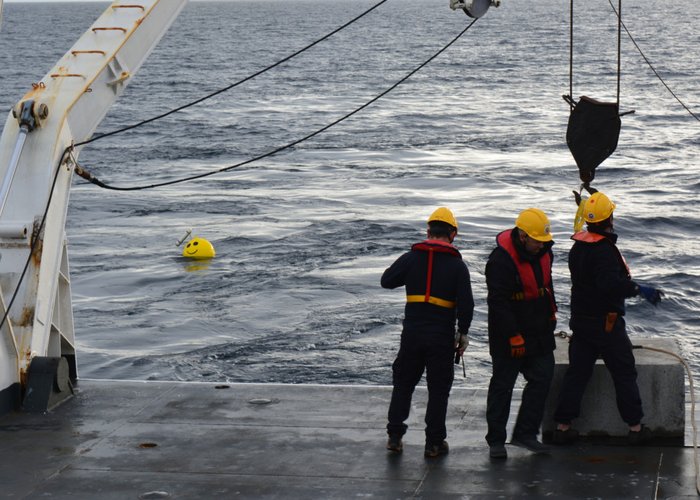
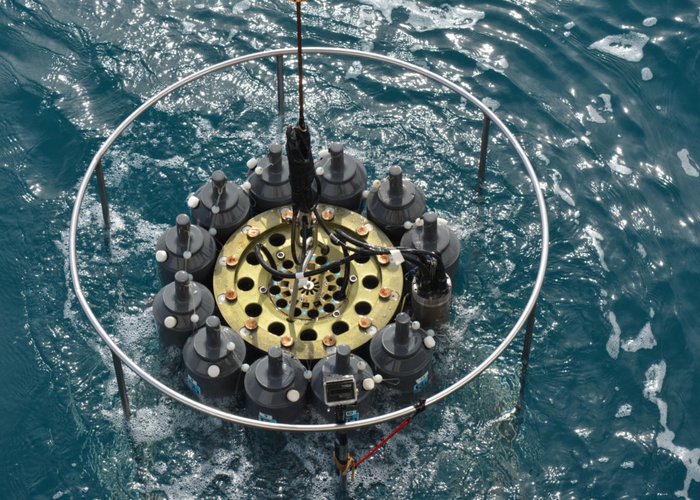
The characterization of the study areas will be carried out based on the hydrography and oceanography data that are being obtained from the multiparametric probe profiles CTD, complemented by water harvests to selected depths, the current measurement profiles with probe installed in the hull of the ship and the foundling of oceanographic moorings.
In addition to these works, the NRP Almirante Gago Coutinho has also planned to contribute to the monitoring of the port structures and coastal zone adjacent to the port of Sines, by merging a structure for reading currents in the bay of S. Torpes, within the framework of the European project OCEANMET (Cost-Efficient Ocean-Meteorological Data Service For Reliable Real-Time Information And Marine Forescast) and an ADCP current profiler, in the South Tagus Barra.
The maintenance of some multiparametric buoys of the in-situ monitoring network of the Navy Hydrographic Institute is also being carried out throughout this mission.
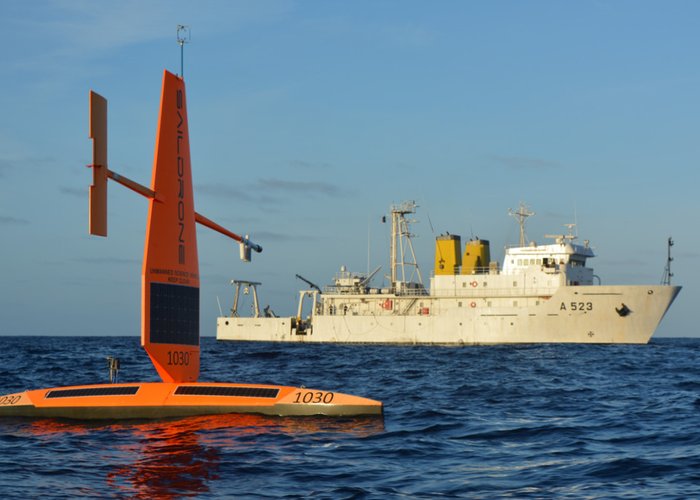
This ship has recently been engaged in the ATL2MED mission in the south of Portugal, involving two unmanned surface vehicles (saildrones), used for autonomous long-range data collection missions. The collection of data carried out on board the vessel, at the same place and time as the passage of these saildrones, will allow validating the data obtained by the multiparameter buoy that is merged off Faro.
The NRP Almirante Gago Coutinho is committed to these projects of great importance for the knowledge of the Portuguese Sea.
It is commanded by Fragnate Captain Francisco Moisés Soares Callisto de Almeida and has a garrison of 37 military personnel, plus a multidisciplinary team of the Hydrographic Institute consisting of 15 elements (oceanography, hydrography, chemistry and geology) and the Faculty of Sciences of the University of Lisbon with 1 element (oceanography).
Mission of the fourth phase of the AQUIMAR project
Mission of the fourth phase of the AQUIMAR project
Mission of the fourth phase of the AQUIMAR project
Mission of the fourth phase of the AQUIMAR project
Mission of the fourth phase of the AQUIMAR project
Mission of the fourth phase of the AQUIMAR project
Mission of the fourth phase of the AQUIMAR project
Mission of the fourth phase of the AQUIMAR project
86 
2020-03-11