

Hydrographic Institute hosts 18 participants from the IALA World-Wide Academy
From 23 to 27 June 2025, the IALA WWA Model Course 1.3 on the Use of the IALA Risk Management Tools took place at the premises of the Hydrographic Institute (IH), organized by the World-Wide Academy (WWA) of the International Association of Marine Aids to Navigation and Lighthouse Authorities (IALA), in partnership with IH.
The course welcomed 18 participants (8 national and 10 international) and followed an intensive program, which included, on 26 June, a technical visit to the Directorate of Lighthouses, the Maritime Control Center (CMAR) in Paço de Arcos, and the Lindley Group in Alcabideche. The day concluded with a dinner at the Cascais Officers’ Mess.
This course is intended for professionals responsible for the management of navigable waterways, as required by Regulations 12 and 13 of Chapter V of the SOLAS Convention. The IALA Risk Management Toolbox is a set of tools and methodologies developed to carry out risk assessments for waterways. It comprises five main instruments: IWRAP, PAWSA MK II, SIRA, IRMAS, and Simulation.
The Hydrographic Institute thanks all those who contributed to the success of this event, with a special acknowledgment to the Directorate of Lighthouses of the Directorate-General for the Maritime Authority, the CMAR of the Directorate-General for Natural Resources, Safety and Maritime Services, and the Lindley Group for their support.
At the 13th General Assembly held on 29 May 2018, it was decided to establish World Marine Aids to Navigation Day (World Marine AtoN Day) to be celebrated on 1 July each year. This date marks the creation of IALA (originally as the International Association of Lighthouse Authorities, now the International Association of Marine Aids to Navigation), with the first celebration held in 2019.
The main objective is to raise awareness of IALA and its work, highlighting to the general public the role of Marine Aids to Navigation and the importance of IALA’s technical contributions to improving global maritime safety.
IALA defines an Aid to Navigation (AtoN) as “a device, system, or service, external to vessels, designed and operated to enhance the safety of navigation and to increase the efficiency of vessel and/or maritime traffic movement.” Examples of AtoNs include physical aids such as lighthouses, buoys, beacons, and daymarks, as well as synthetic and virtual aids like VTS (Vessel Traffic Services) and AIS (Automatic Identification System) services.
This year’s theme is: “The role of physical Aids to Navigation in a Digital Future”.
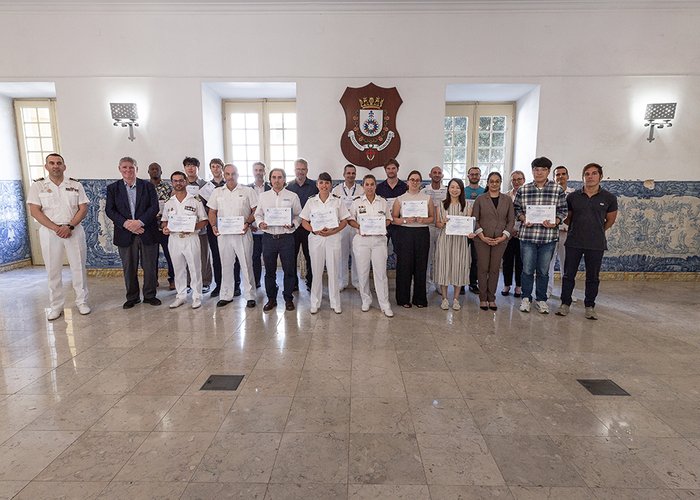
Hydrographic Institute receives 18 participants from IALA World-Wide Academy
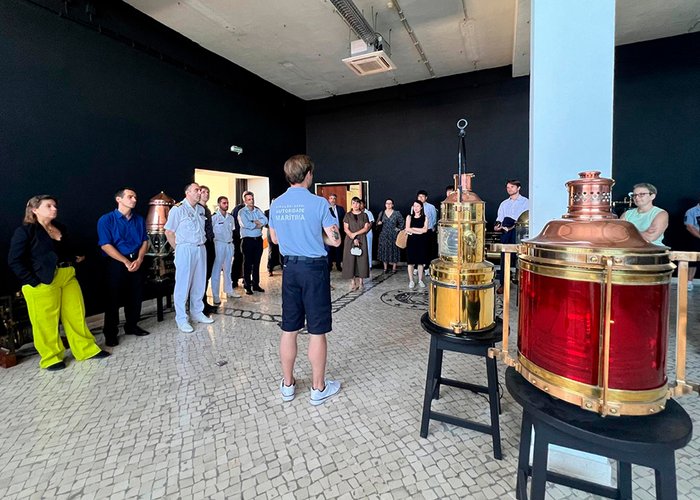
Hydrographic Institute receives 18 participants from IALA World-Wide Academy
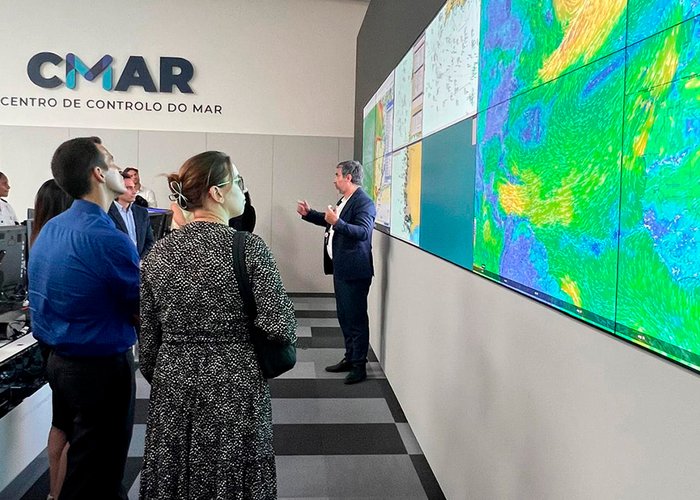
Hydrographic Institute receives 18 participants from IALA World-Wide Academy
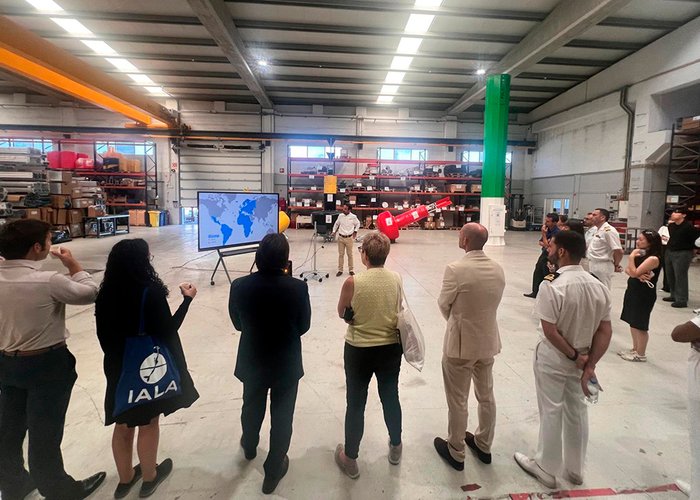
Hydrographic Institute receives 18 participants from IALA World-Wide Academy
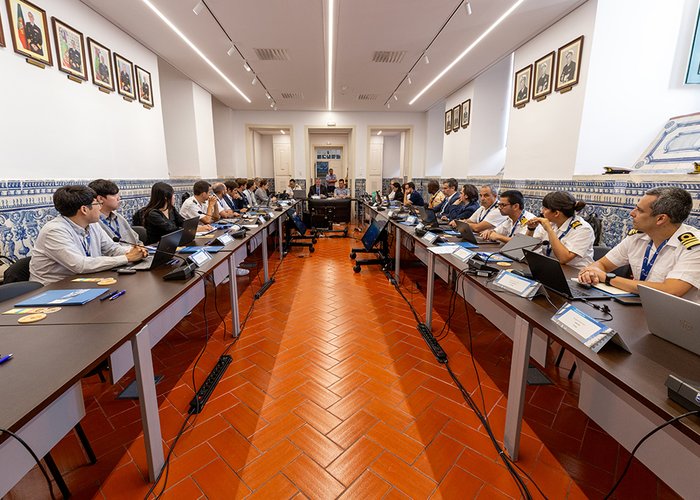
Hydrographic Institute receives 18 participants from IALA World-Wide Academy
121 
2025-07-02