

Entre-os-Rios
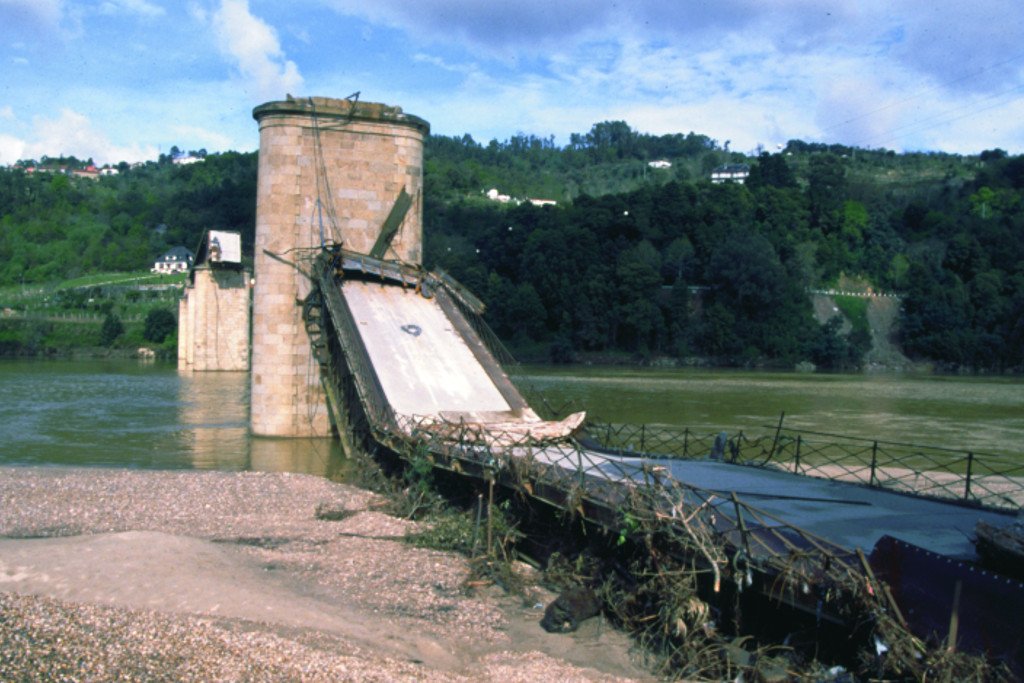
Hintze Ribeiro bridge over the Douro River
Hintze Ribeiro bridge over the Douro River
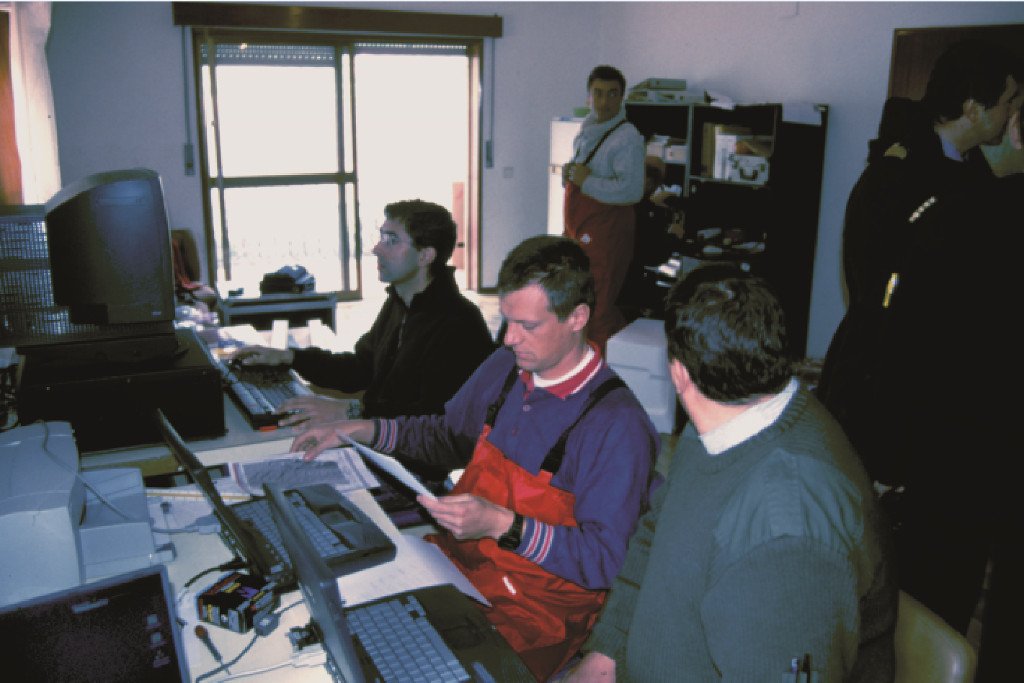
Operations centre
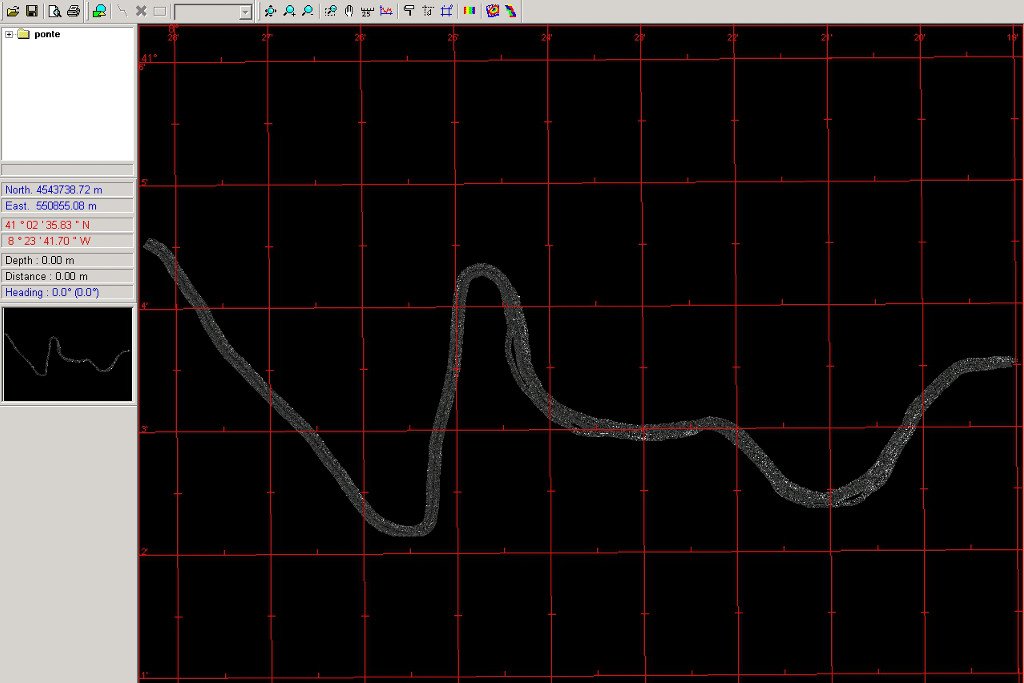
Data obtained from surveys of the bottom of the River Douro
The collapse of the Hintze Ribeiro bridge over the Douro River
4 March 2001
The collapse of the Hintze Ribeiro bridge over the Douro River caused the fall of several vehicles that were circulating in this bridge at the time of the incident.
For the search mission in the river technical teams of the Navy were established in the areas of competence of the Hydrographic Institute (HI), the Maritime Authority and the Naval Command. The main function of the IH teams was the location of submerged vehicles, having mobilized about two tons of equipment which included hydrographic echo-sounders with single and multi-beam system, high frequency sonar and side-scan sonar, ROV, magnetometer, acoustic correntometer and DGPS.
The frequent adverse environmental conditions observed in the operating scenario, such as the strong current, the large amount of suspended matter, the transported debris, the accumulated metal waste, the water mixing zones and the whirlpools temporarily limited the use of part of the equipment, such as the side-scan sonar, and made it impossible to use some of the results, in particular the records obtained from the magnetometer surveys, where the calculated anomaly for the bus that had fallen would go unnoticed in the value of the local magnetic field affected by geology, large iron masses existing in the piers, in the barges and in the wrecks of the bridge.
In addition to the operation of the equipment, the teams dedicated themselves to the processing, crossing, analysis and comparison of the data that were being obtained, in order to detect contacts that could correspond to the crashed vehicles, allowing further determination of the evolution of each of these contacts in terms of sediment cover and uncover.
The information obtained led to the conclusion that the most suspicious contacts corresponded to the rocky areas, which were relatively extensive near the bridge, with hundreds or thousands of sonar contacts similar to those of the cars that were found.
The analysis of conditions and decision on the order of contacts to be investigated, depended on the nature of the contact, the feasibility of the dives made, the rigorous positioning of the mooring weights with DGPS and the validation by divers, with passages with the side-scan sonar and with multi-beam to better define some contacts. Despite the difficulties, the fulfillment of the rescue of all the damaged vehicles and part of the bodies of the occupants, was much due to the human effort made by the IH teams together with the remarkable performance of all the national and international teams highlighted for this mission, the assistance provided by the population.
The mission was completed on June 20.
301